Product Video
Product Specification
|
Brand |
AstsSolenoid |
Model Number |
AS 2542 |
|
Rated Voltage (V) |
DC 12 V or 24V |
Rated Power(W) |
5.8 W |
|
Work Model |
2 Ways Valve |
Holding Force (N) |
0.4 MW |
|
Resistance |
25 Ω |
Reset Time(s) |
0.3 Sec. On, 0.3 Sec. Off |
|
Service Life |
I Millioin Times |
Certification |
CE,ROHS,ISO9001, |
|
Material |
Carbon Steel Housing with Telfon Plated Coating |
Lead Wire Length(mm) |
200 |
|
Install Style |
Adjustable Screw |
Tolerance of Dimension |
+/- 0.1 MM |
|
Water-proof |
None |
Insulation Class |
F 155 Degree |
|
Hi-Pot Test |
AC 600V 50/60Hz 2s |
Non-excitation Holding Force |
0 |
|
Working Temperature |
-10°C-100°C |
Duty Cycle |
1-100% |
|
Thread Depth(mm) |
/ |
Payment Term |
TT, or LC At Sight |
|
Sample Order |
Yes |
Warranty |
1 Year |
|
MOQ |
1000 pcs |
Supply Ability |
5000 pcs per Week |
|
Delivery Time |
30 Days |
Port of Loading |
shenzhen |
Product Description
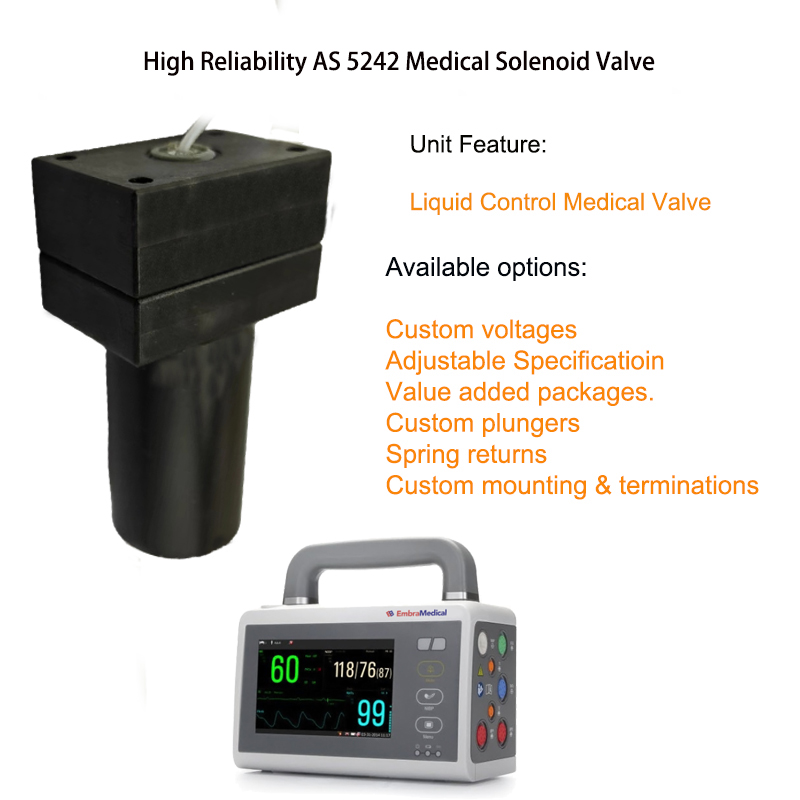
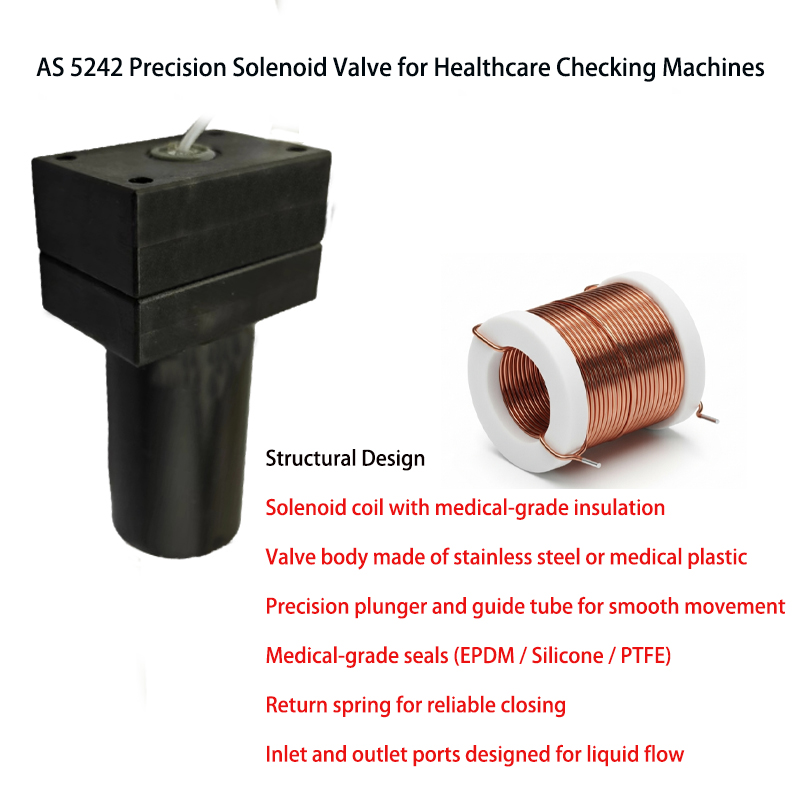
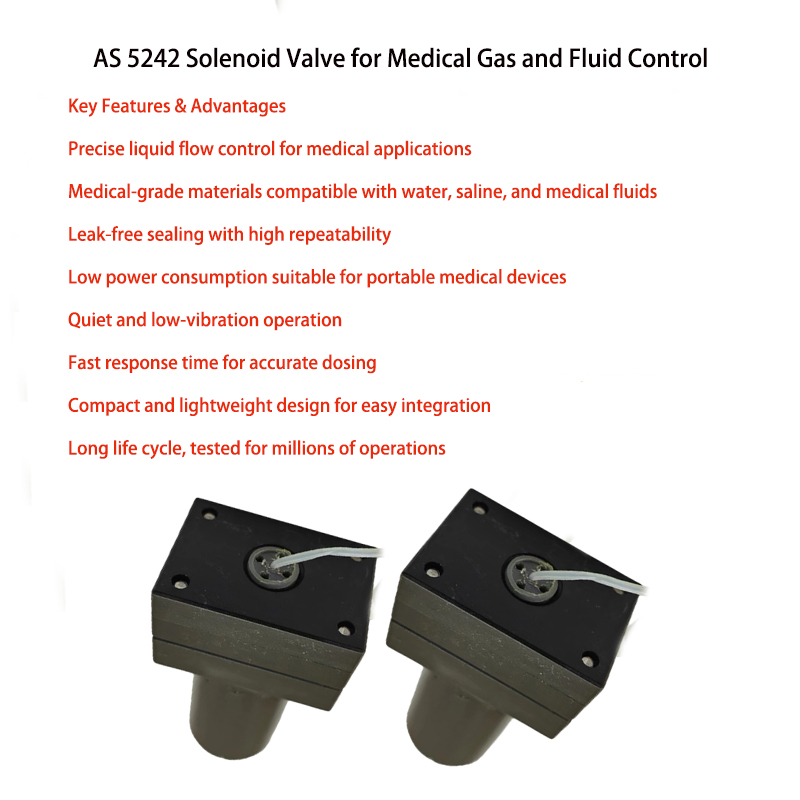
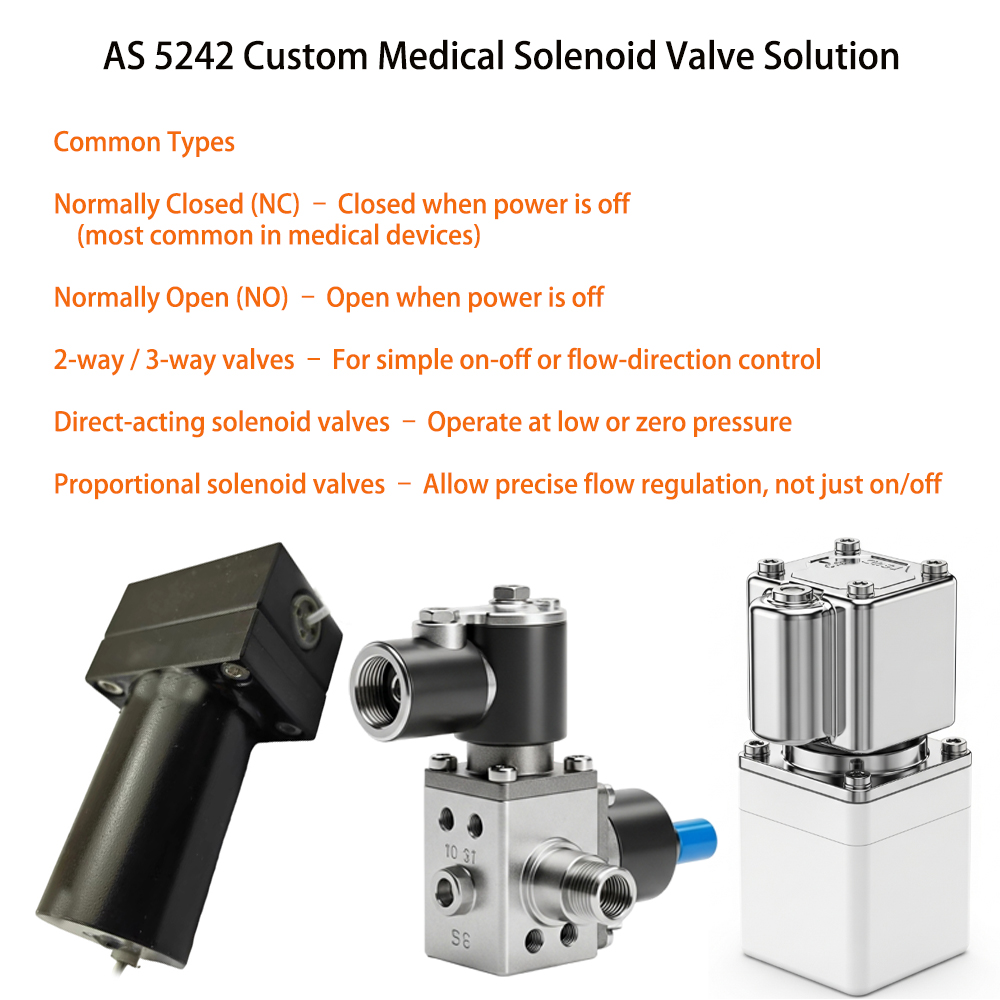
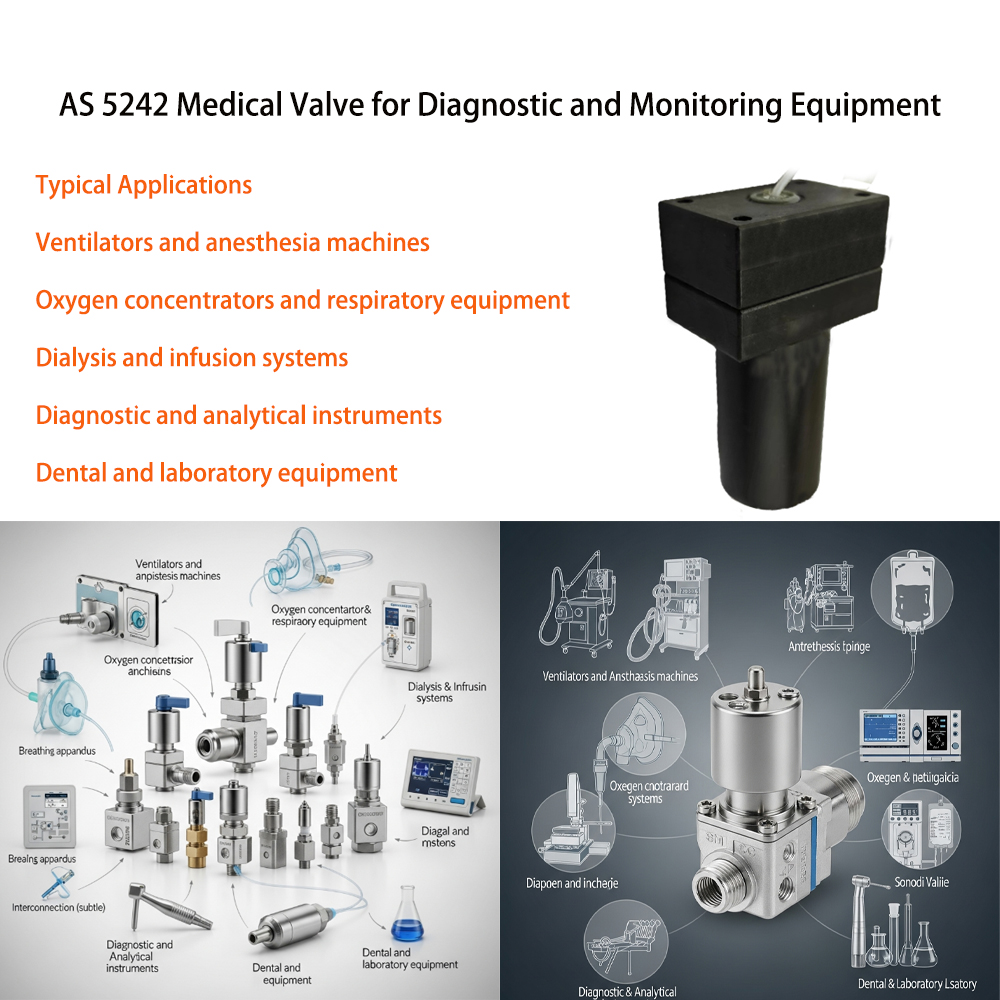
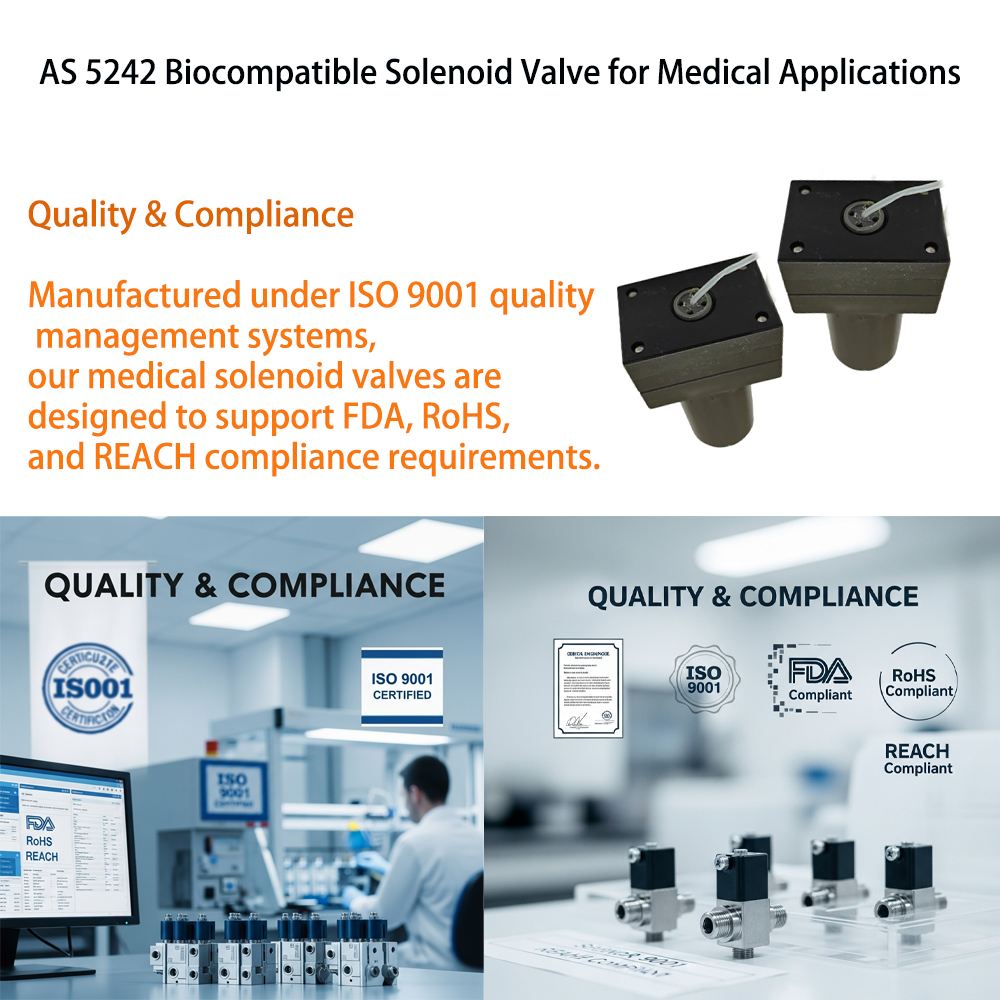
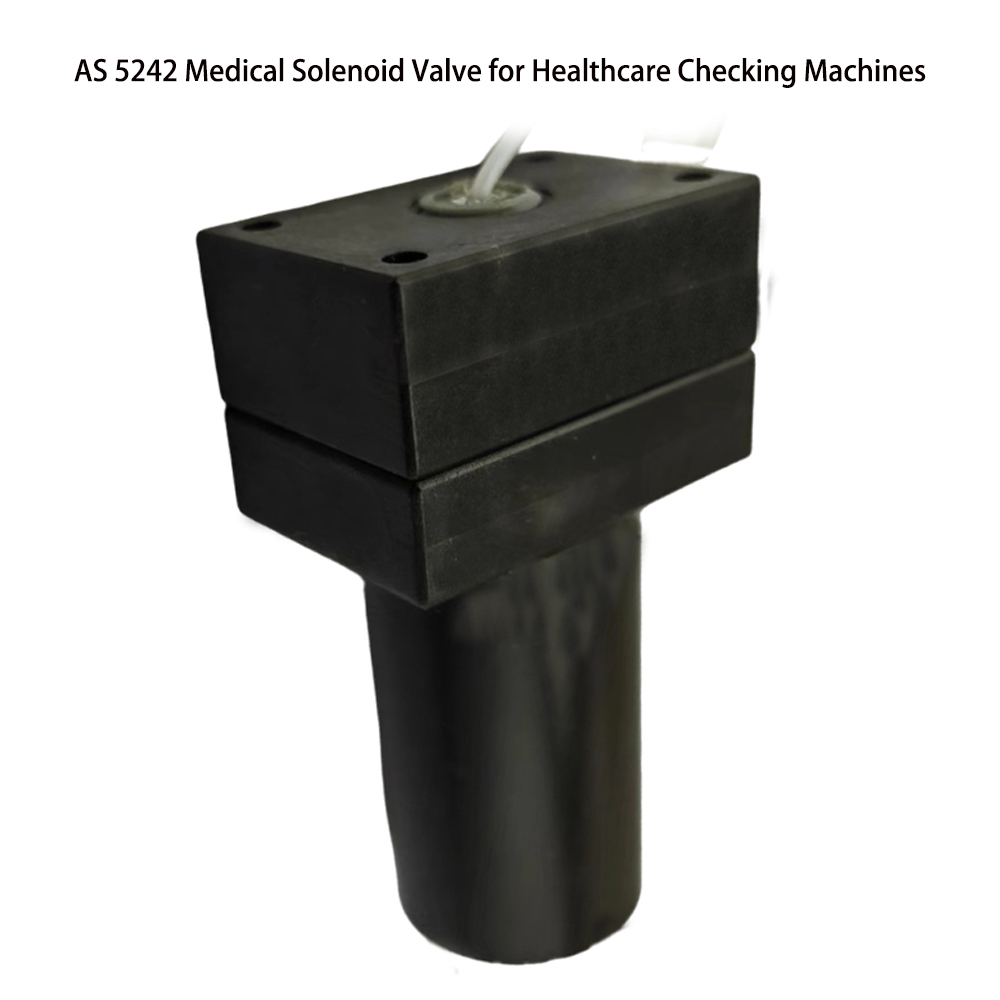
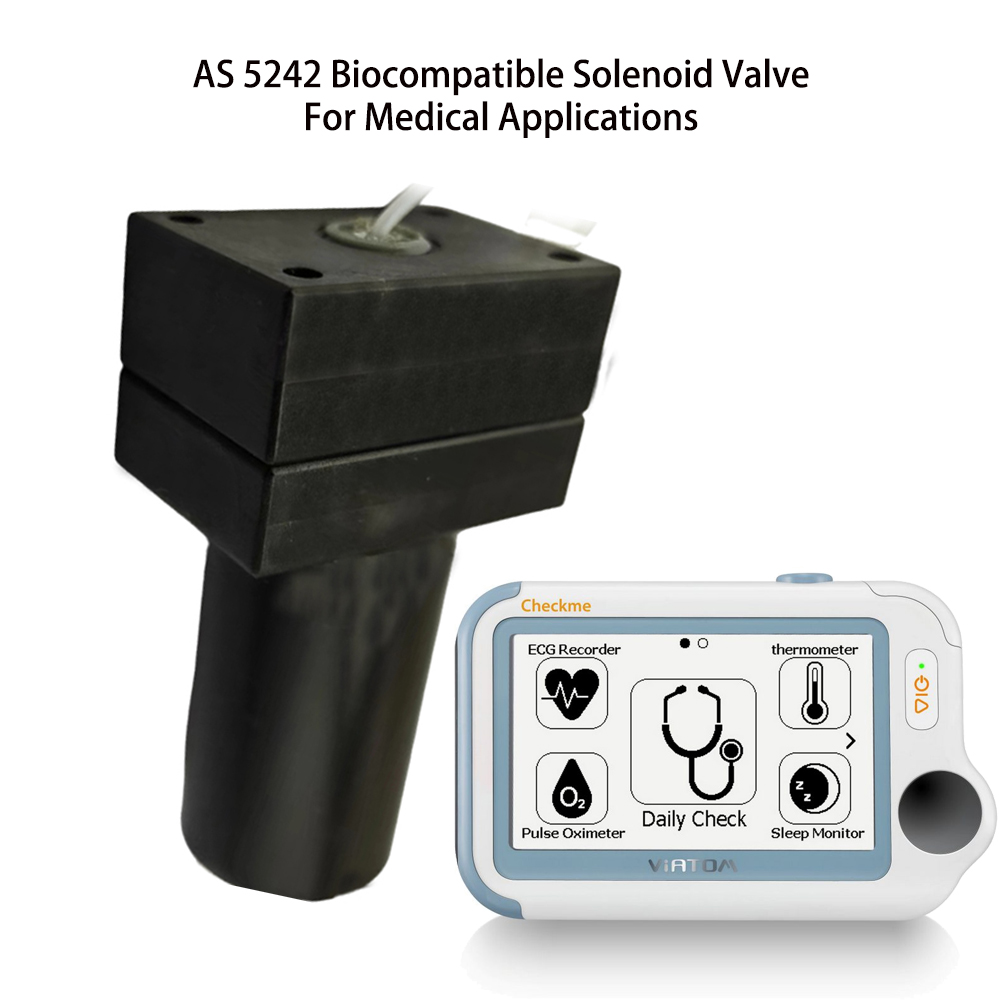
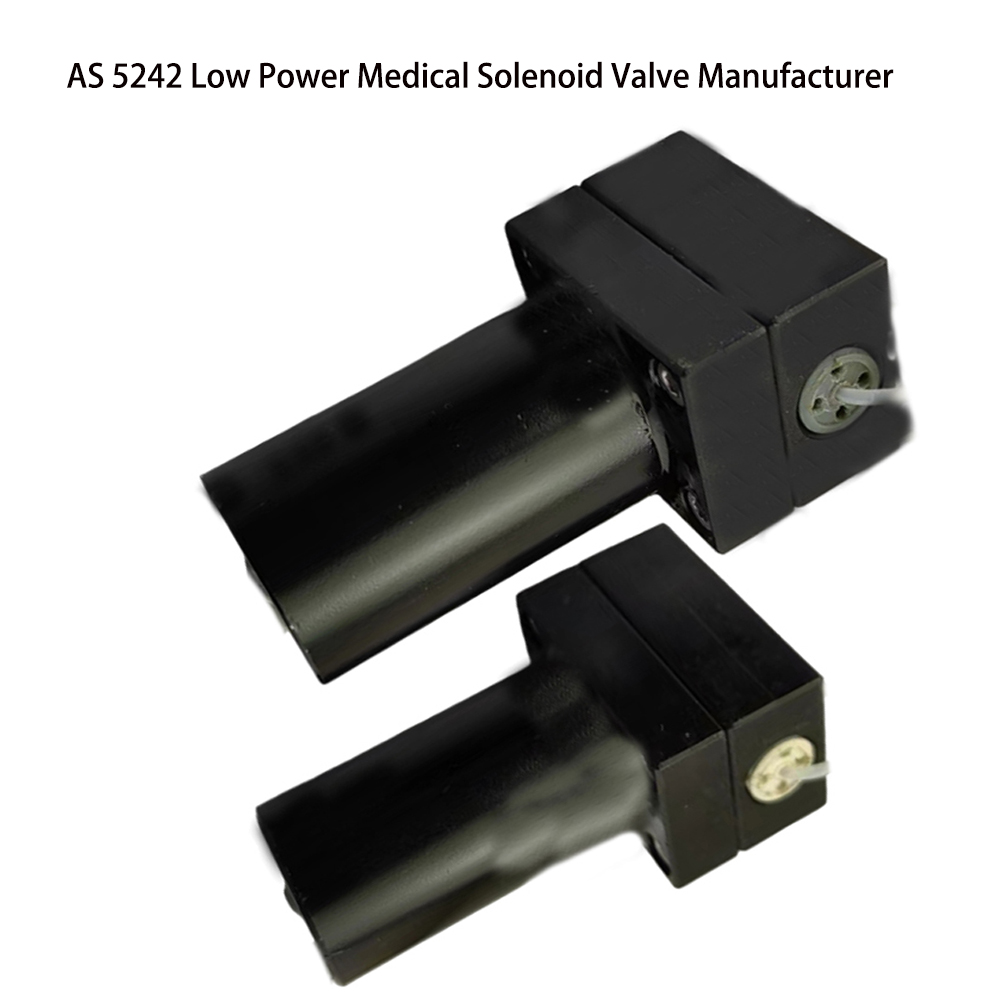
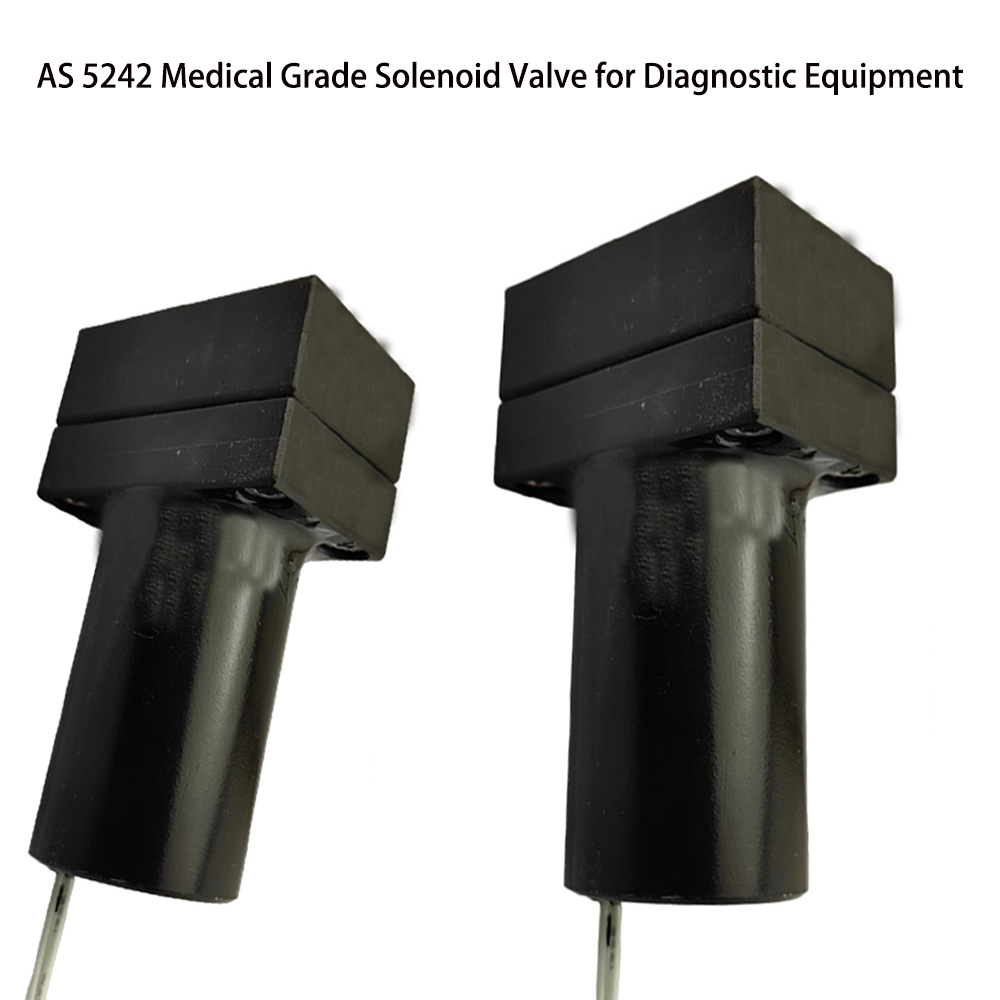
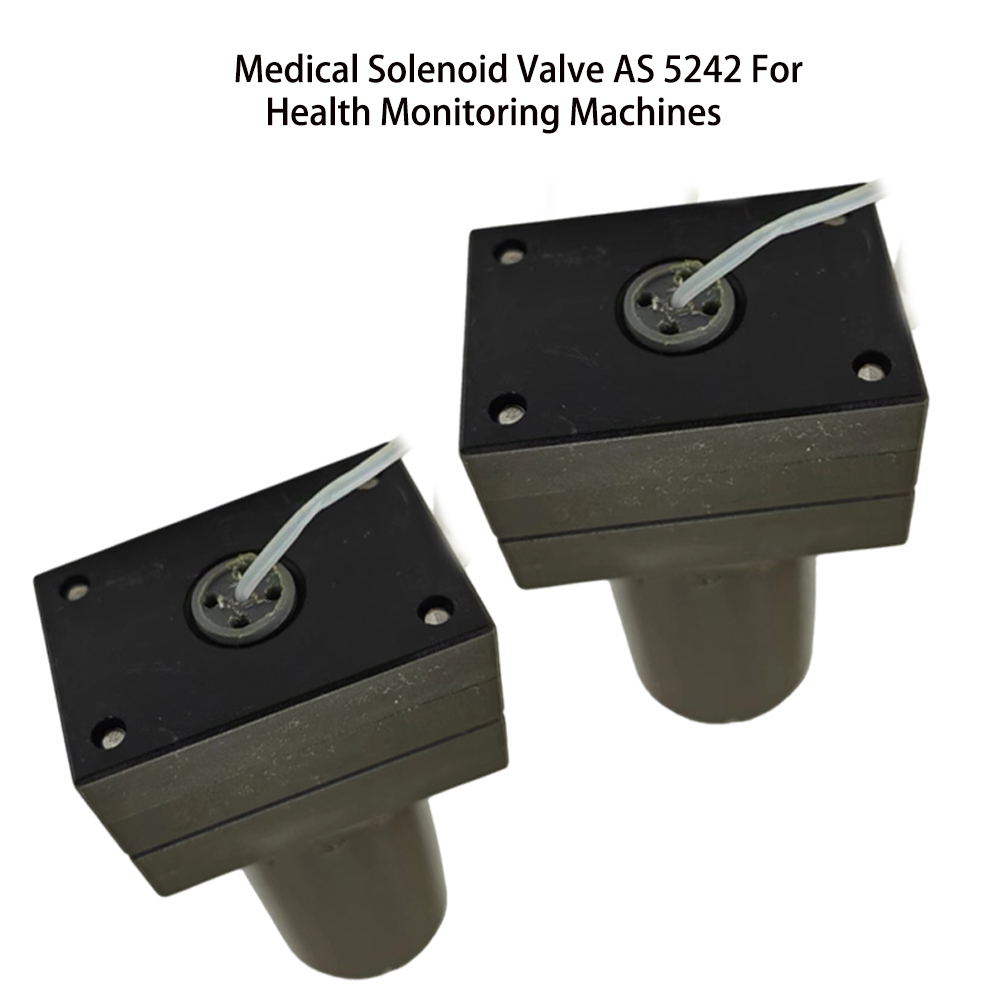
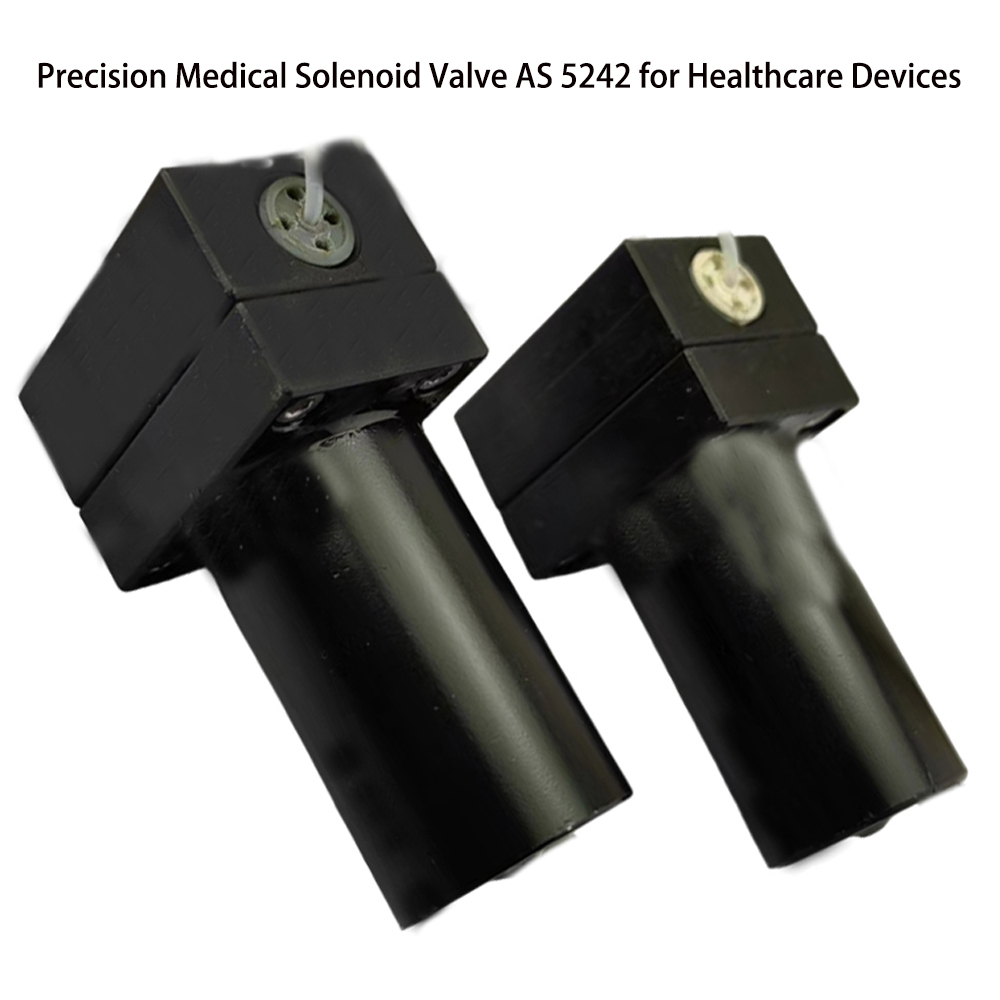
Advantages and disadvantages of AS 5242 biocompatible medical solenoid valve
Optimization advantages
Ultra-fast response time – enables real-time, precise fluid/gas regulation for time-sensitive medical procedures such as anesthesia delivery and diagnostic sample processing, which is crucial for patient safety and treatment outcomes.
Low power consumption – Reduces the energy requirements of portable medical devices (such as handheld diagnostic tools and mobile ventilators) and minimizes heat generation to avoid interfering with sensitive biological samples or affecting patient comfort.
Wide operating temperature range – reliable operation at low temperatures (typically -20°C to 80°C) and high temperatures, suitable for sterilization cycles (autoclave compatible models) and various clinical environments.
Dual installation flexibility – supports vertical or horizontal installation without performance degradation, simplifies integration into space-constrained compact medical device housings, and facilitates component placement.
Dual voltage compatibility (AC/DC) – Works seamlessly with both AC and DC power supplies without the need for additional voltage converters, reducing system design complexity for medical device manufacturers.
Precise liquid flow control – providing micron-level flow rate stability, ideal for applications requiring precise metering (e.g., drug delivery systems, dialysate management) and without the risk of contamination.
Industry-leading stability performance – capable of millions of continuous operations, meeting the stringent durability requirements of critical medical devices and reducing unplanned downtime in clinical settings.
Optimize weaknesses (transparency, solution-oriented, medical contextualization)
While the AS 5242 standard performs well in medical applications, it also has some inherent limitations that need to be proactively mitigated:
Voltage sensitivity – The valve’s electromagnetic core is highly sensitive to voltage fluctuations (overvoltage/undervoltage). In medical settings, unstable power supplies can disrupt flow control, thereby affecting treatment accuracy.
Magnetic field misalignment may lead to partial closure risk – improper magnetic field calibration during installation may result in incomplete valve closure, causing minor liquid leakage, which could potentially damage sterile medical fluid circuits.
Coil replacement requirements – The electromagnetic coil has a limited lifespan and needs to be replaced periodically during the valve’s lifespan, which increases the maintenance costs of long-term deployed medical equipment (e.g., hospital-grade ventilators).
Dependence of flow rate on fluid viscosity – Extreme changes in fluid viscosity can affect flow stability, so for high-viscosity medical fluids (such as blood products and viscous pharmaceutical preparations), careful matching of fluid specifications is required.