
Chapter 1 : introduction
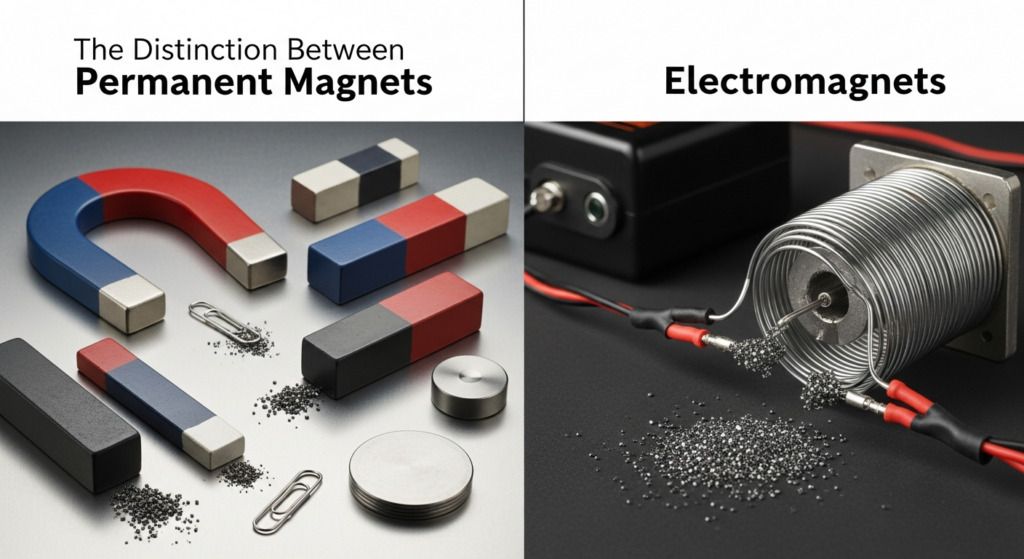
There are two main classes of magnets: permanent magnets and electromagnets. Both classes of magnets are important for the smooth operation of industries and day-to-day activities.
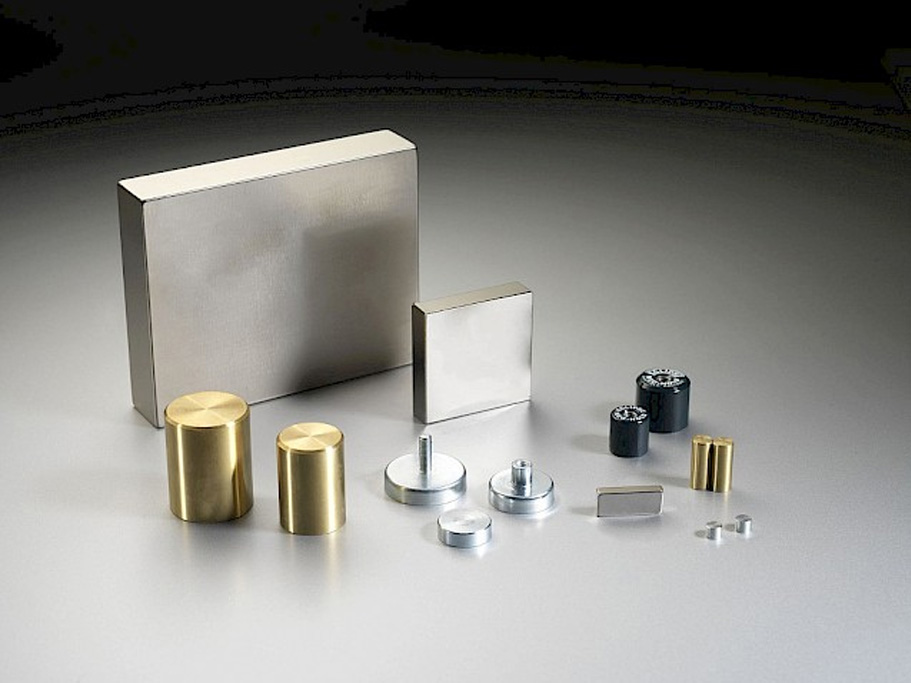
Permanent magnets include neodymium NdFeB magnets, samarium cobalt magnets, AlNiCo magnets, and ferrite magnets. On the other hand, electromagnets make use of electric current to generate a magnetic field. Though both types of magnets attract ferromagnetic materials, there are many differences between permanent magnets and electromagnets.
Chapter 2 : Electromagnets vs. Permanent
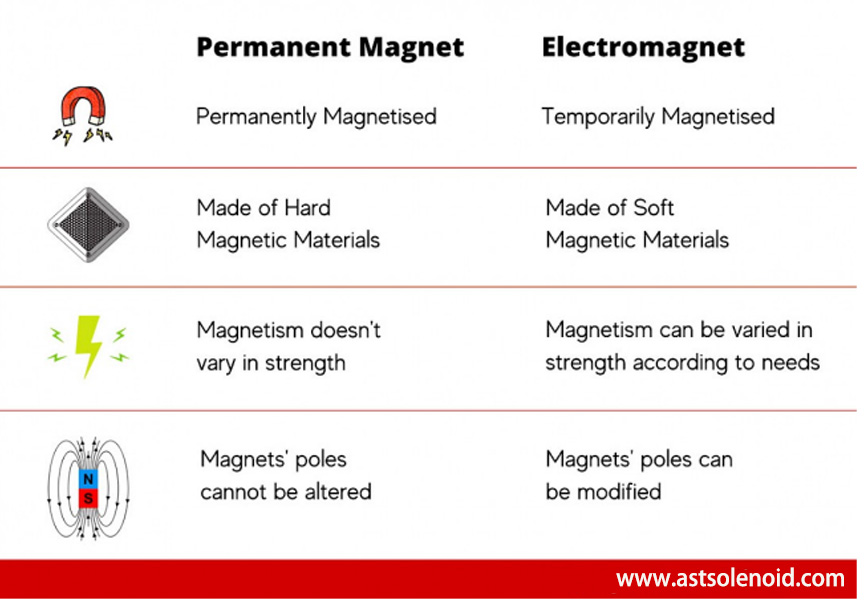
The north and south poles of the magnetic fields of electromagnets and permanent magnets react with other magnetic materials. The difference lies in how they are created and controlled.
Permanent magnets are magnetized during manufacture. They remain permanently magnetized even without the flow of current.
The electromagnets allow for fine-tuning of magnetic force and on/off operation since they only become magnetic when electric currents are flowing through a wire.
However, an exception exists in the case of Electro-Permanent Magnets (Energize to Release), in which safety is ensured even in case of power failure through the combination of an electromagnet and a permanent magnet.
Chapter 3 : Magnet Form
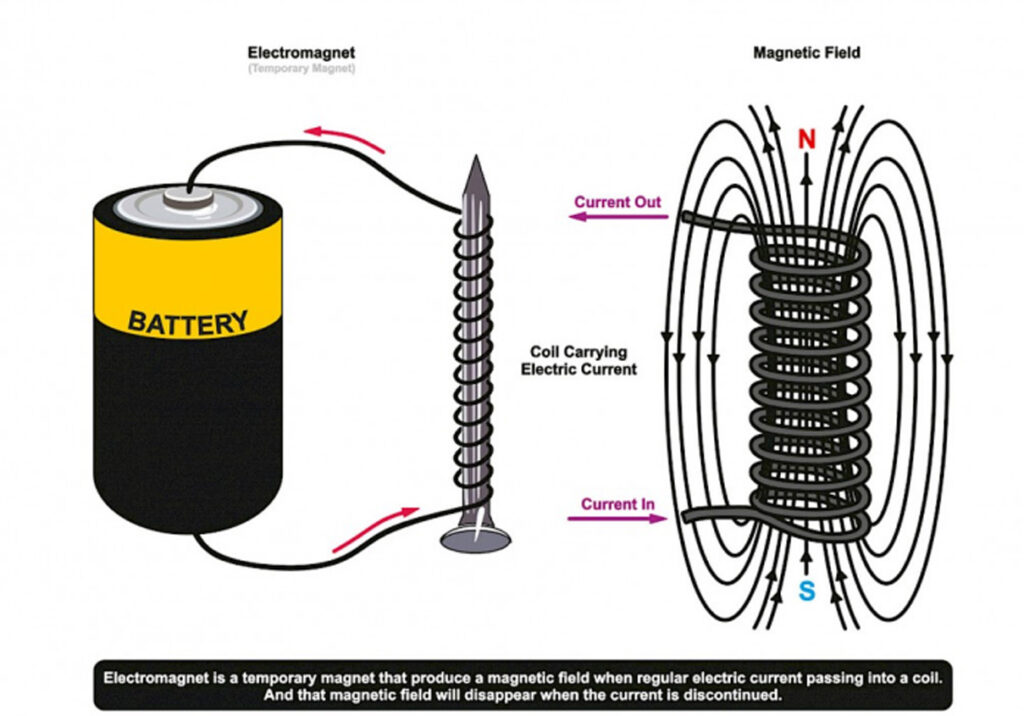
The basic form of an electromagnet consists of a copper wire that is twisted into a coil and wrapped around a piece of iron, known as the ferromagnetic core. When an electric current flows through the electromagnet’s coil, the iron becomes magnetized by the electromagnetic field that is generated.
Chapter 4: Magnets application
Permanent magnets are made from hard magnetic materials that retain their magnetic properties over a long period of time. A good example of a permanent magnet, as well as a magnet that shows traditional magnetic behavior, is a bar magnet.
Permanent Magnet Applications
Permanent magnets have numerous uses in various consumer products and businesses. They include:
Electric Generators and Motors
Electronic Sensors and Computers
Vehicle systems can be
The term “headphones”
Measurement tools, refrigerator magnets, and magnetic strips
They are ideal for applications where a constant magnetic force without power consumption is necessary.
Chapter 5 : Electromagnets, as opposed to permanent magnets
capable of being switched on/off
Allow magnetic force to be adjusted.
able to alter the direction of the current to reverse polarity
This is because they are easily controlled, making them very important in industrial applications, control of motions, and automation.
Current Density and Fill Factor of Electromagnets
Electrical and thermal factors are very important considerations in the development of an electromagnet:
The “fill factor” is a measure of the portion of available coil area filled with copper wire, which is usually a maximum of 80%.
In order to avoid overheating, current density levels should be maintained at a safe range.
It generates heat due to power losses (I²R) and thus demands proper thermal design, cooling, and insulation.
If these variables are not controlled properly, it will result in failure of coils and degradation of insulating materials.
Chapter 6 : Benefits of Electromagnets
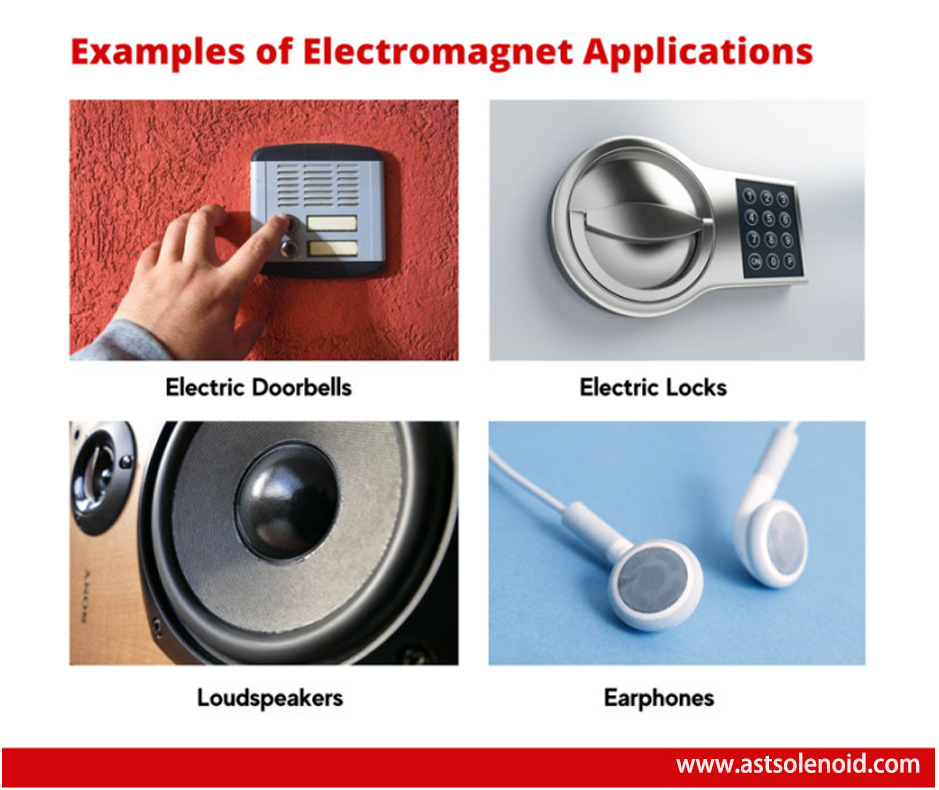
Electromagnets have a number of benefits over permanent magnets.
On/Off Control
Variable magnetic strength
Reversible Polarity
Cost-effectiveness in high-force applications
Simple electronic control system integration
Typical uses of Electromagnets
Electromagnets are typically used in:
Automation in Industry
Industry automation
CNC Machines and Robotics
# Vehicle systems
Appliances for home use:
Medical apparatus
Systems of lifting, clamping, locking, and placement
They are used in ordinary items such as loudspeakers, electric cars, microwaves, and washing machines.
Chapter 7 : Electromagnet Type We Create and Provide
7.1. Electromagnets that have push and pull
When activated, push-pull electromagnets produce a linear motion. They are often used in:
Latches and locks
Mechanisms of Automation
They can be tubular or open-frame types.
7.2. Electromagnets with Tubes
Electromagnets formed from tubing give us:
small, cylindrical shape
Axial movement that is smooth
High ratio of force to size
Ideal for applications that require precision, such as those used in cars, vending machines, and medical equipment.
7.3. Electromagnet Holding
An electromagnet is only clamped or held in place as long as the current is passed. The magnetic force is removed or becomes zero as soon as the current is shut off.
Important characteristics:
The options are: 12V DC, 24V DC, and 240V
100% Duty Cycle
Several thousand newtons of pull force
used in safety gear, hoists, and door systems.
7.4. Electromagnets that Latch
Latching electromagnets only let go if they are powered and hold on without constant power.
Benefits
Energy-E
It is safe to use when there is no power available.
dependable holding force
Safety equipment, machine guards, and fire doors are examples of common uses.
7.5. Electromagnetic Solenoid Valve
The solenoid valve force is utilized in electromagnetic valves, which control the flow of gas or liquids.
Applications include:
Control of Gas and Water
Medical apparatuses
Automation of Industrial Fluids
HVAC systems are
They may be latching, generally closed, or normally open types.
Electromagnet Armature Plates
Precision-made ferromagnetic parts termed armature (keeper) plates are utilized in:
Increase the holding force
Cut down on air spaces
Improve the reliability of clamping
Non-magnetic, thin, or curvaceous mounting surfaces are important in this case.
Chapter 8 : Commonly Asked Questions
Q 1 : What is the fundamental difference between an electromagnet and a solenoid
A : It often acts as an actuator, and a solenoid is a coil that is made to perform a linear motion.
The basic purpose of an electromagnet is to produce a lifting or holding force.
Q 2 ; Which has more power, an electromagnet or a permanent magnet?
Increasing the current or the number of coils can produce a magnetic field much stronger than that of a permanent magnet.
Q3: Is it possible to turn electromagnets on and off?
Yes. Electromagnets are used in precise electronic control because a magnetic field only appears if there is electric current in a coil.