Product Video
Product Specification
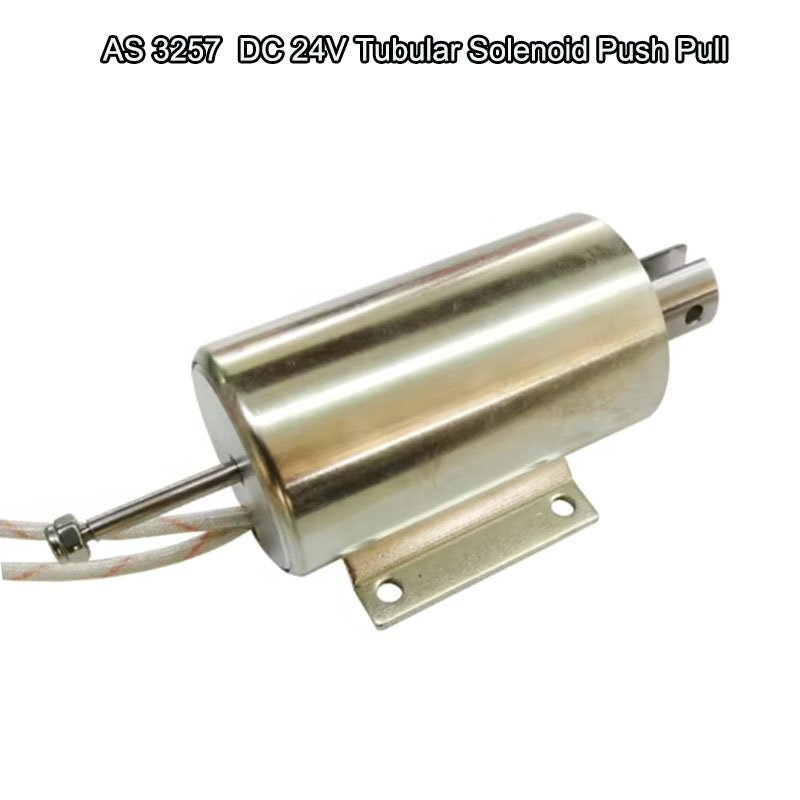
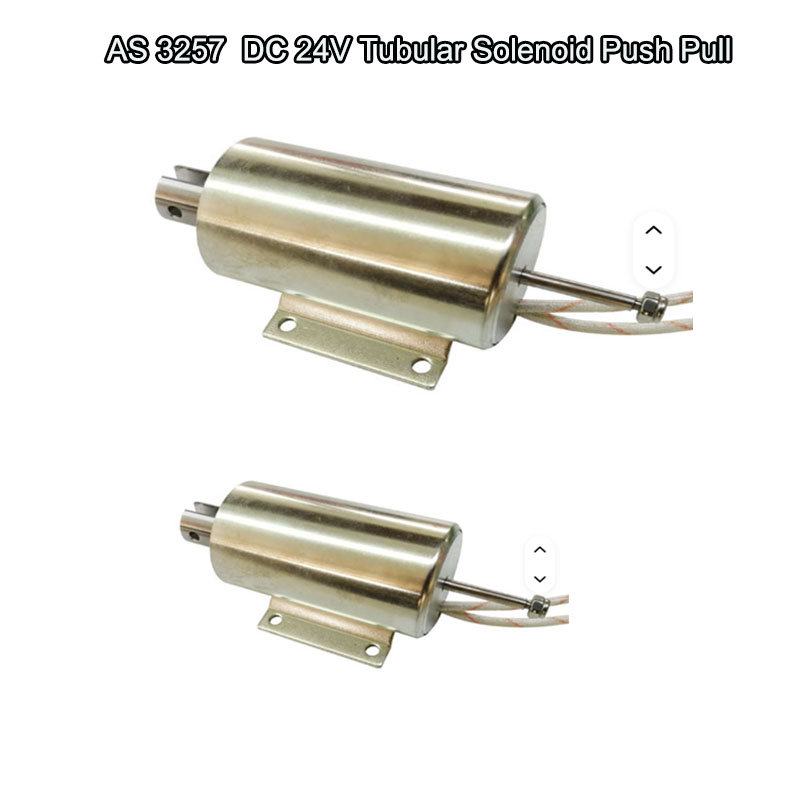
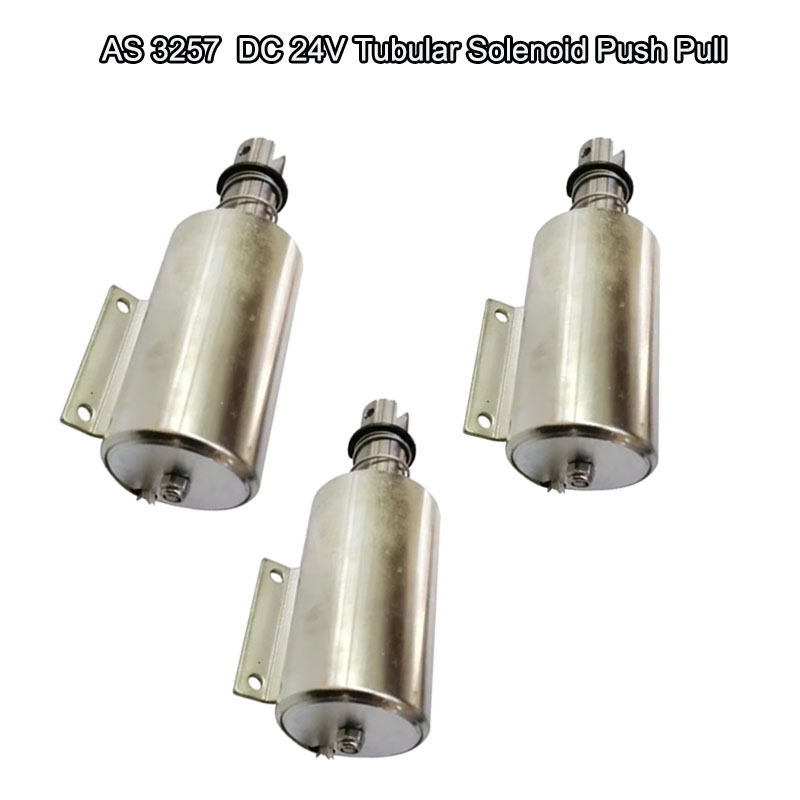
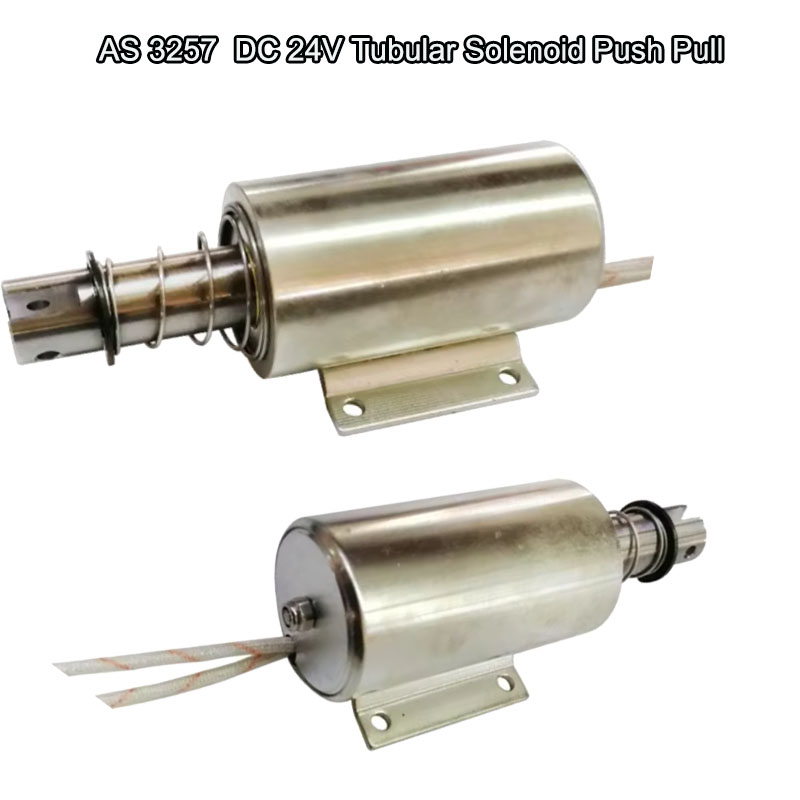
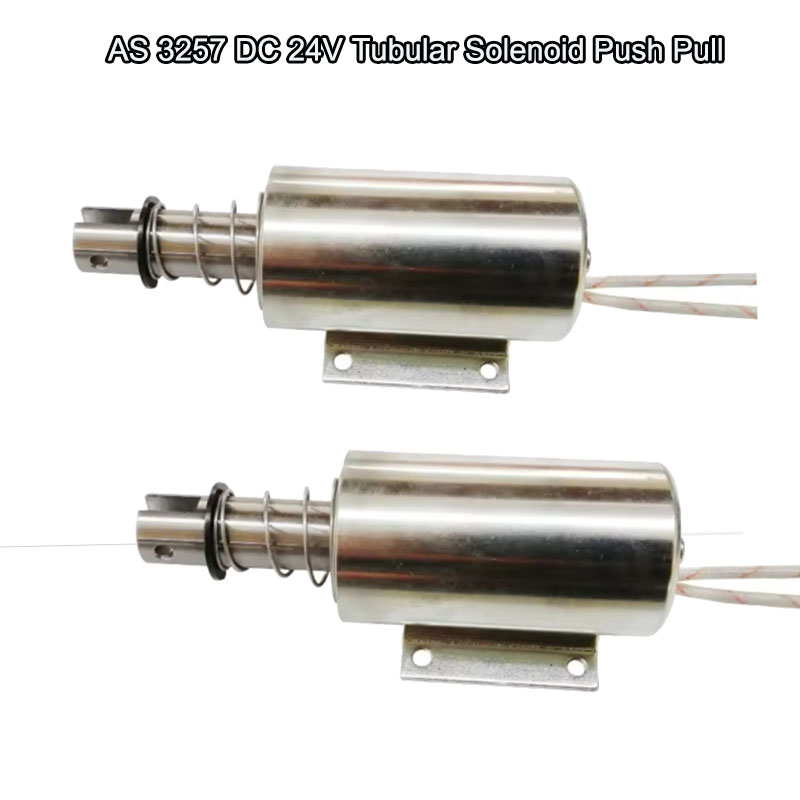
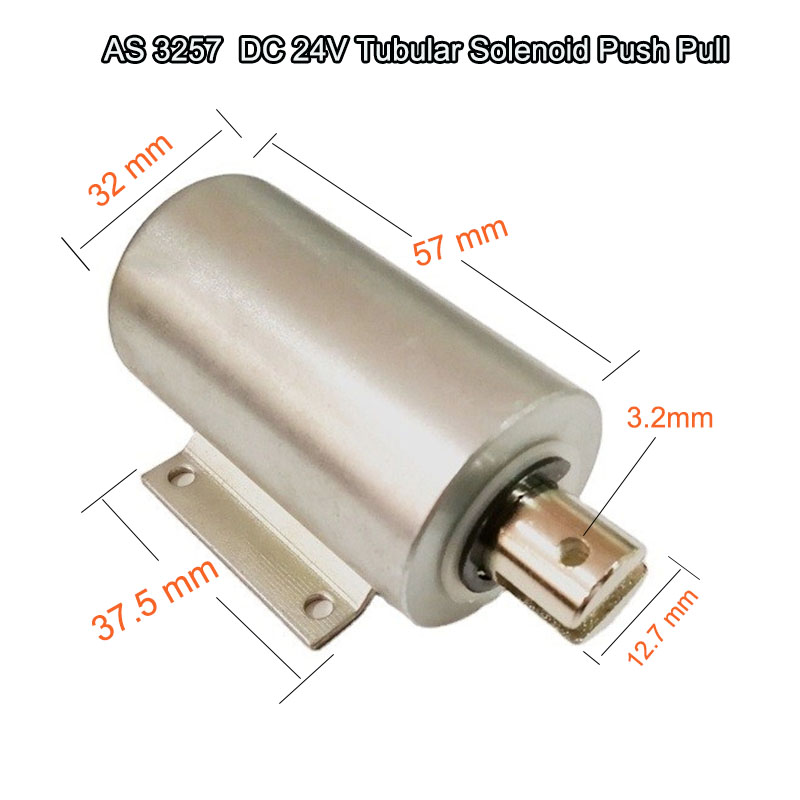
| Brand | AstSolenoid | Model Number | AS 3257 |
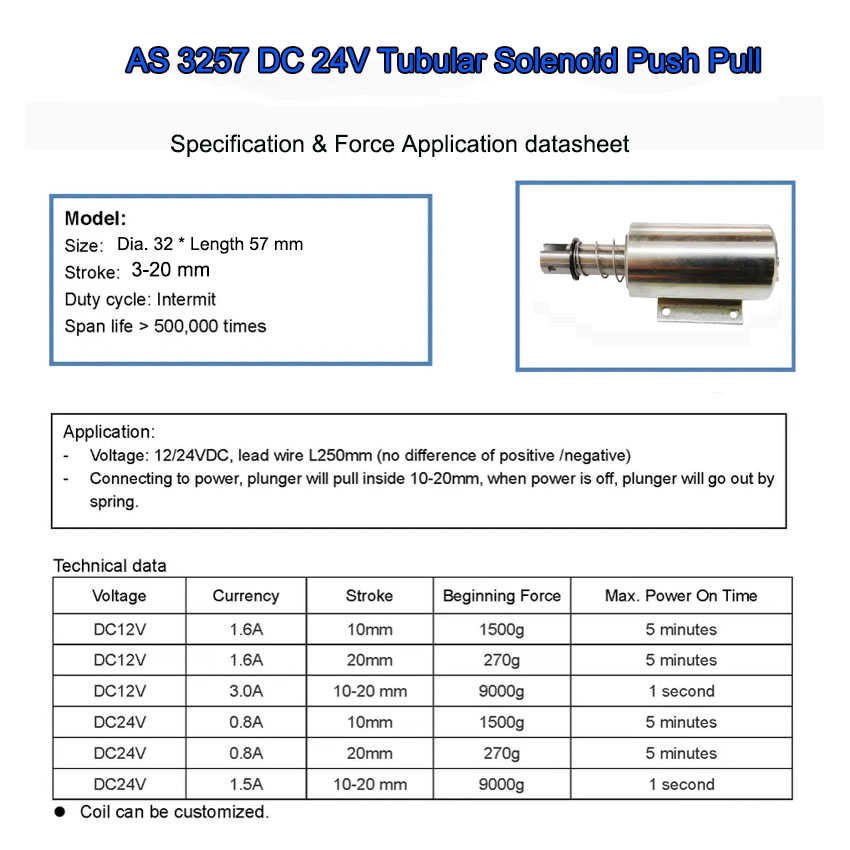
| Rated Voltage (V) | DC 24 V | Rated Power(W) | 30–90 W |
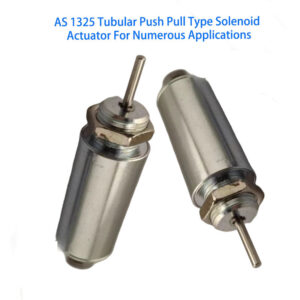
| Work Model | Tubular Push and PUll Type | Holding Force (N) | 2–30 N |
| Stroke(mm) | 3-5 MM | Reset Time(s) | 1 S |
| Service Life | 300 Thousand Times | Certification | CE,ROHS,ISO9001, |
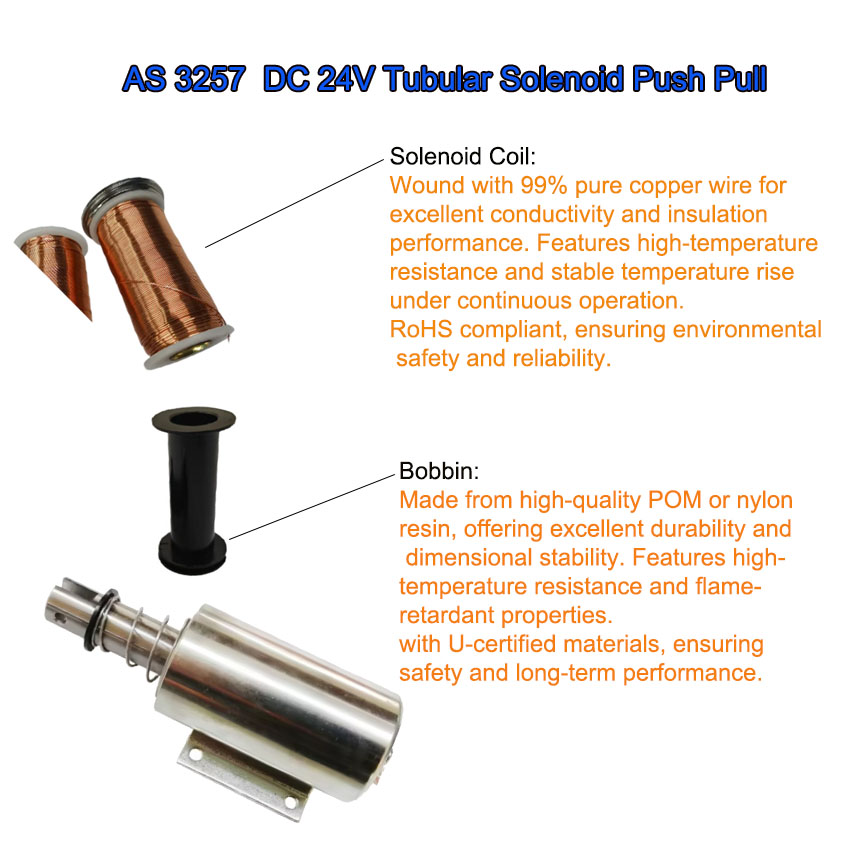
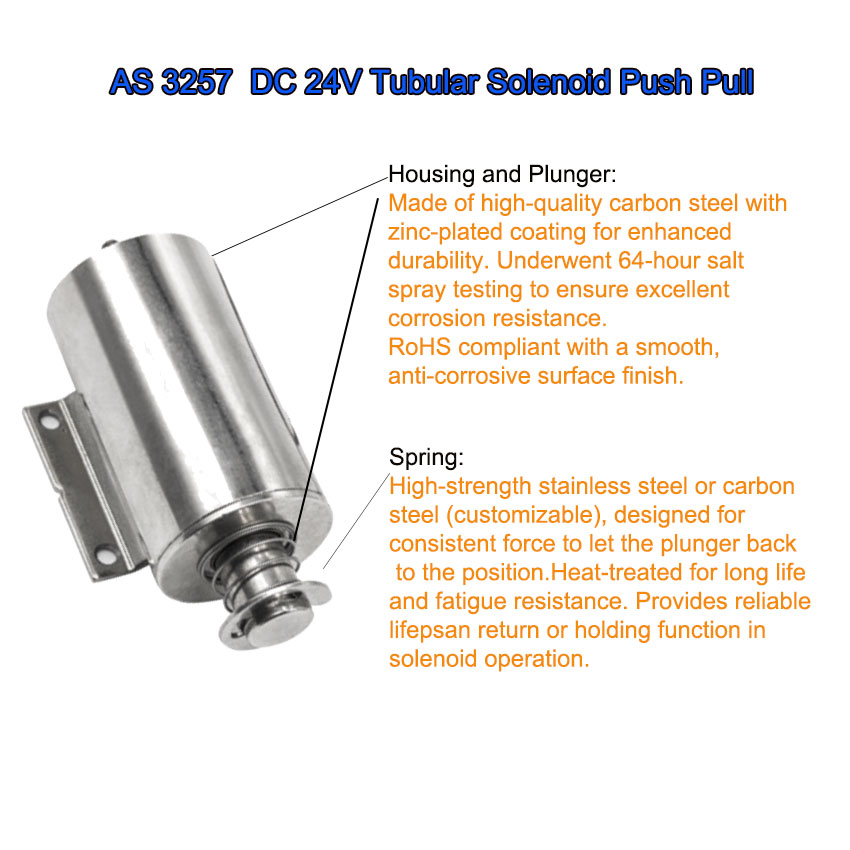
| Material | Carbon Steel Housing with Zinc Plated Coating | Lead Wire Length(mm) | 200 |
| Install Style | Adjustable Screw | Tolerance of Dimension | +/- 0.1 MM |
| Water-proof | None | Insulation Class | F 155 Cel. Degree |
| Hi-Pot Test | AC 600V 50/60Hz 2s | Non-excitation Holding Force | 0 |
| Working Temperature | -10°C-100°C | Duty Cycle | 1-100% |
| Thread Depth(mm) | / | Payment Term | TT, or LC At Sight |
| Sample Order | Yes | Warranty | 1 Year |
| MOQ | 500 pcs | Supply Ability | 5000 pcs per Week |
| Delivery Time | 30 Days | Port of Loading | shenzhen |
Product Detailed Description
Working Principle
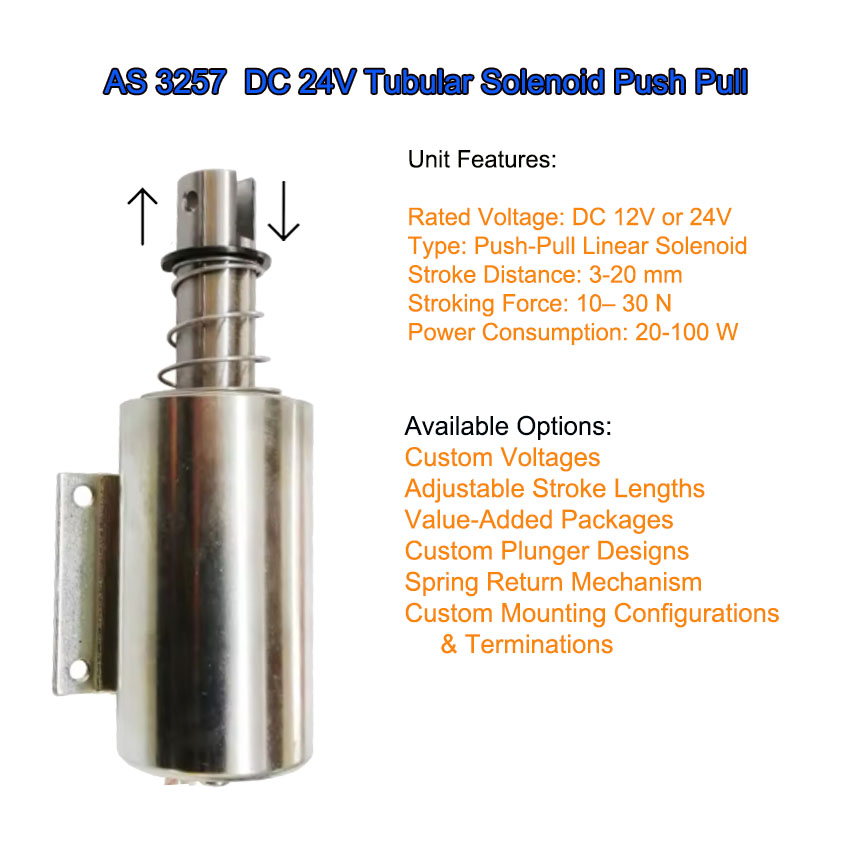
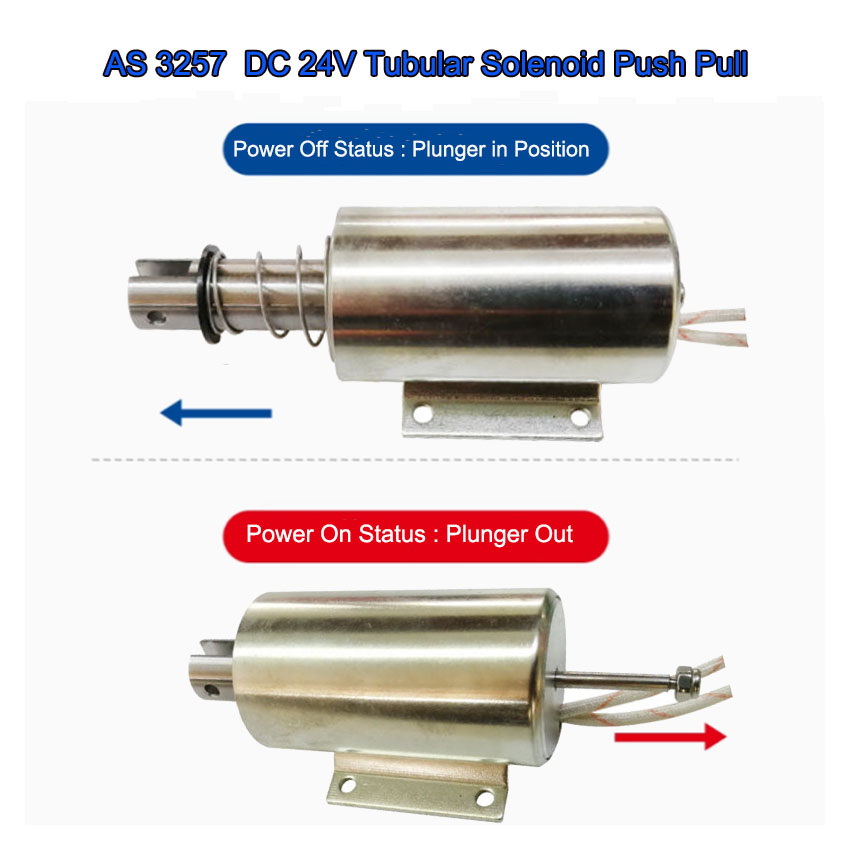
A push-pull linear actuator functions by transforming electrical energy into linear mechanical motion. Electromagnetic variants, including solenoids, generate a magnetic field upon coil energization, thereby causing a plunger to move either inward (pull) or outward (push). Conversely, in motor-driven linear actuators, a DC or stepper motor drives a lead screw or ball screw, thereby converting rotary motion into linear displacement.
The actuator’s movement direction is determined by polarity, current direction, or motor rotation, thereby enabling precise pushing and pulling of loads.
✅ Applications
Industrial automation equipment
Smart door locks and access control systems
Medical and laboratory instruments
Vending and dispensing machines
Automotive actuators and controls
Robotics and small mechanical systems
✅ FAQ
Q1: How does a push-pull linear actuator differ from a solenoid?
A solenoid is a specific kind of push-pull actuator, characterized by a short stroke and rapid response; in contrast, motor-driven actuators provide longer strokes and greater positioning precision.
Q2: Can a push-pull linear actuator maintain its position when not powered?
Certain designs incorporate mechanical locking mechanisms or self-locking screws; solenoids typically necessitate continuous power, unless they are of the latching variety.
Q3: What voltage options are available?
Standard options encompass 12V DC, 24V DC, and voltages tailored to specific application needs.
Q4: How should I select the appropriate actuator?
Crucial considerations encompass force, stroke length, duty cycle, speed, and environmental factors.